Skip to content
Facebook
Twitter
Instagram
TikTok
YouTube
Search
Dinner Table Daily
About
slavery
February 14, 2026
Slave Codes was the 1st form of policing in the U.S.
Black Owned Wall Street
February 14, 2026
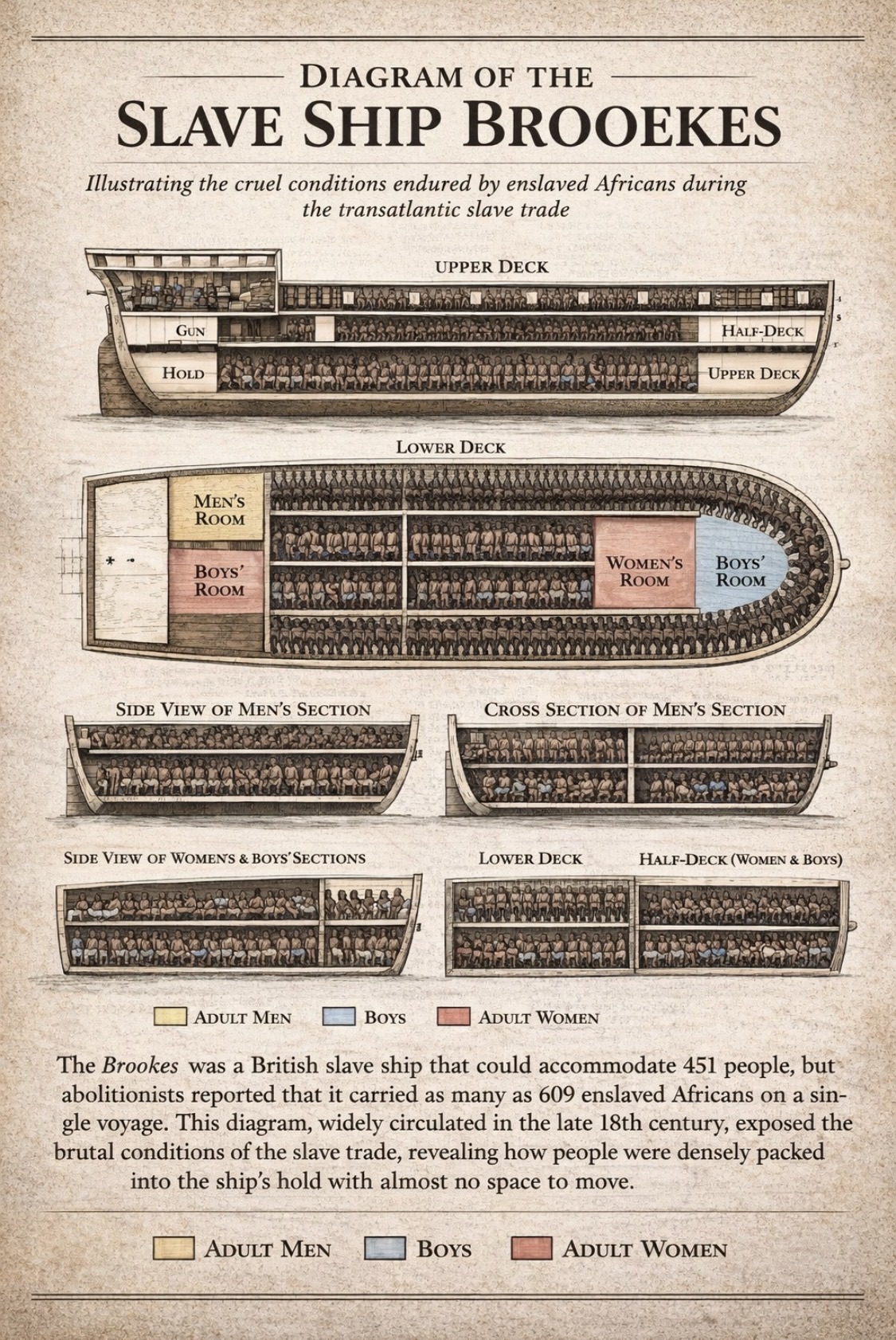
The Slave Ship Brookes: A Detailed Visual Record of the Middle Passage and the Brutality of the Transatlantic Slave Trade
Black Owned Wall Street
February 12, 2026
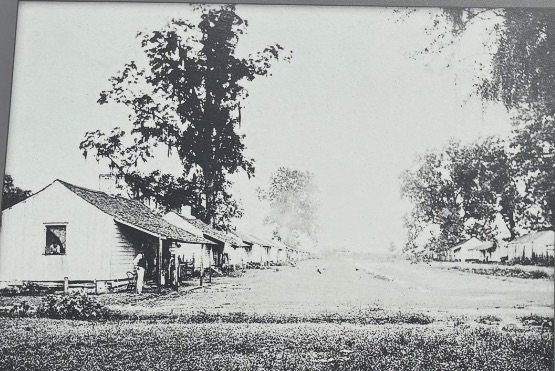
enslaved workers labored up to 18 hours a day cutting cane and hauling it by ox-cart to the mill, where it was processed into sugar, packed into barrels, and shipped to New Orleans.
Black Owned Wall Street
February 12, 2026
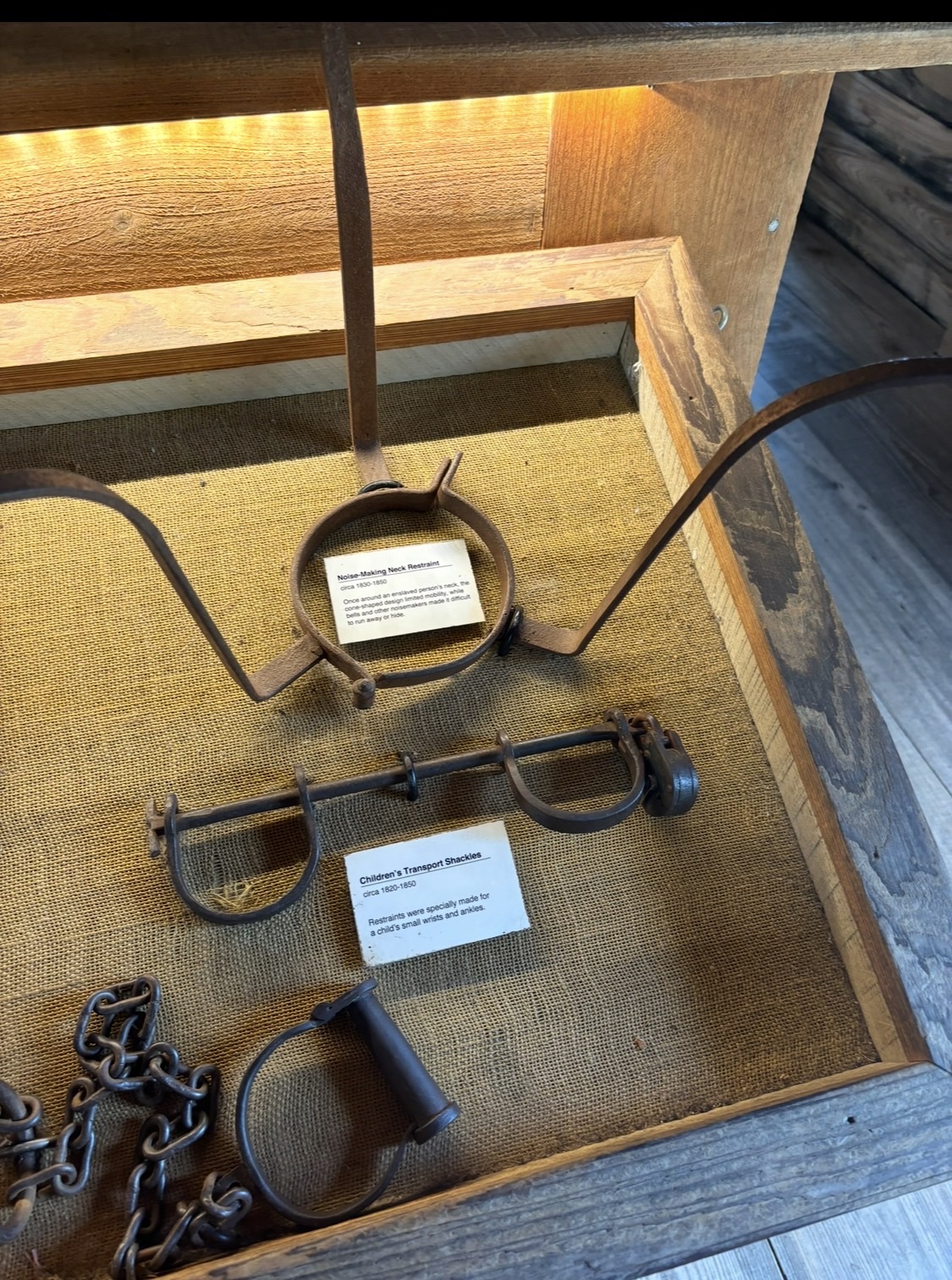
Why were iron neck colors placed on slaves?
Black Owned Wall Street
February 12, 2026
The hoe tool caused a lot of slaves to have back problems
Black Owned Wall Street
February 12, 2026
After emancipation, life for formerly enslaved people differed from one plantation to another. For the first time, freedmen were able to negotiate wages and even ask for overtime pay. Still, many plantation owners refused to pay in cash.
Black Owned Wall Street
February 11, 2026
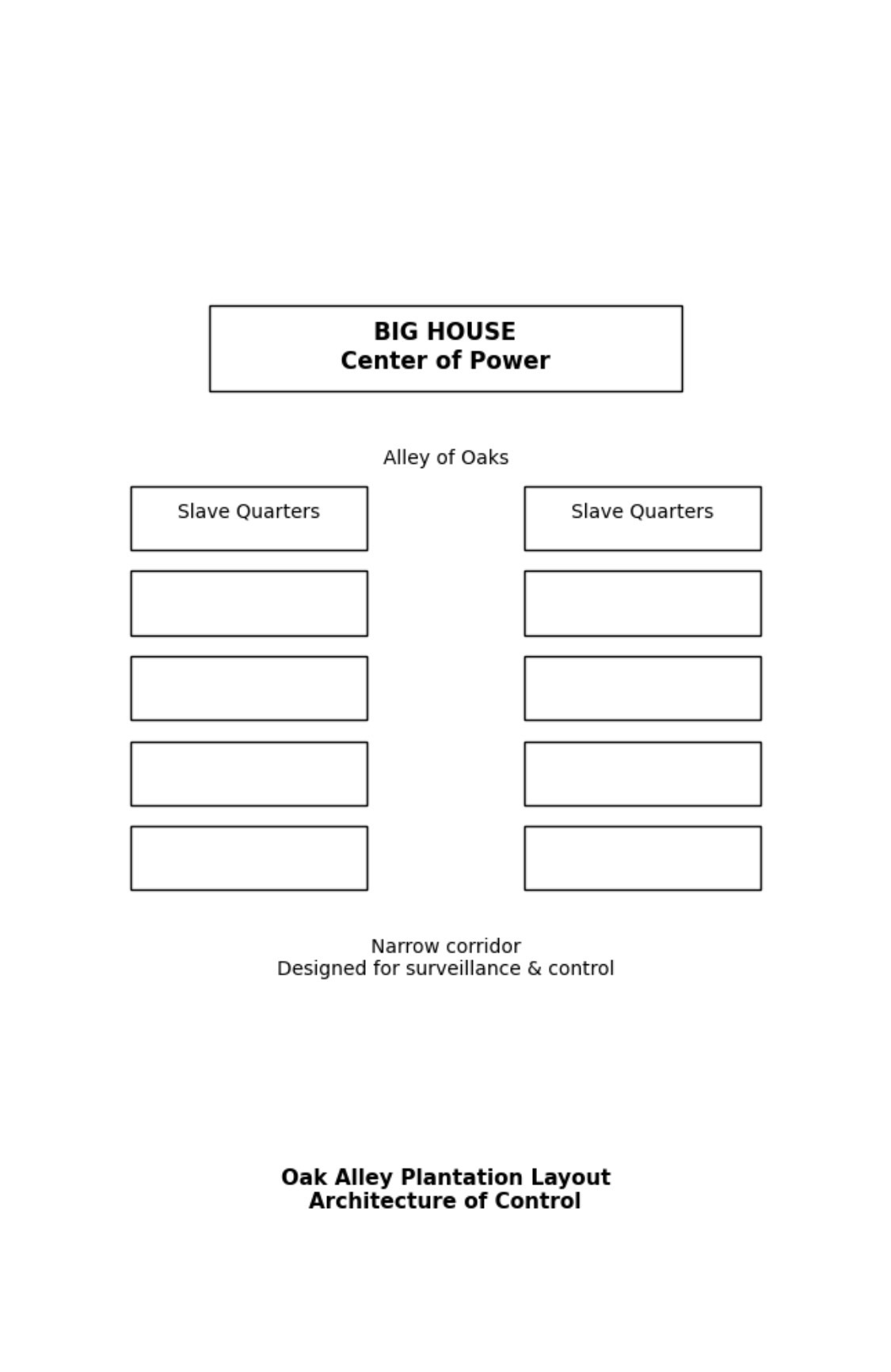
The layout of the Oak Alley Plantation
Black Owned Wall Street
February 11, 2026
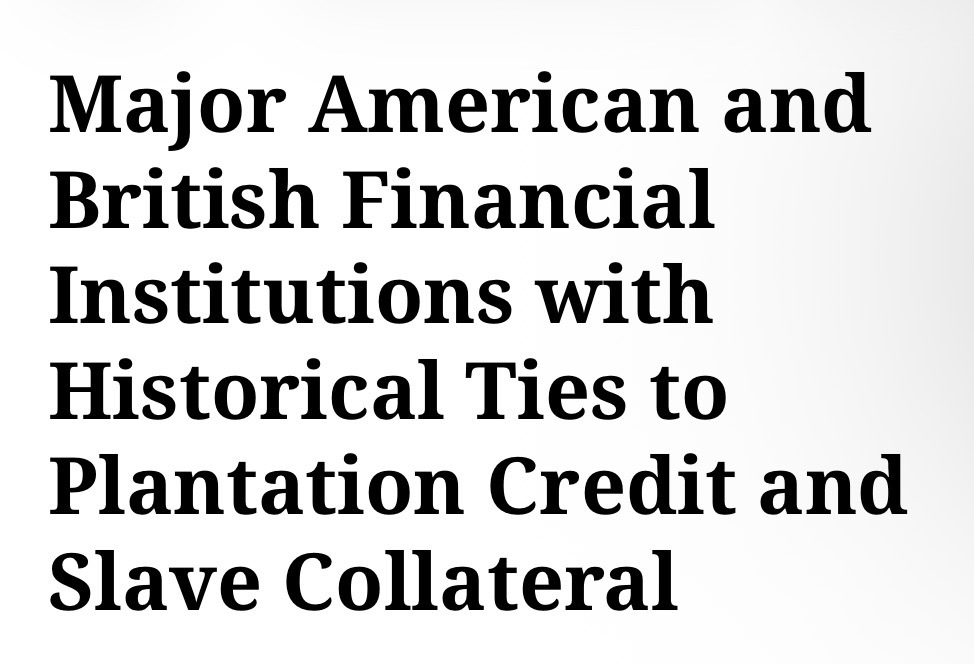
Jacques and Celina Roman purchased Oak Alley Plantation from the bank on credit in 1836. It was a sugar plantation, and Jacques used 57 enslaved field workers as collateral for the purchase.
Black Owned Wall Street
February 10, 2026
How Enslaved People Used Mules to Transport Sugarcane in 19th-Century Louisiana
Black Owned Wall Street
February 5, 2026
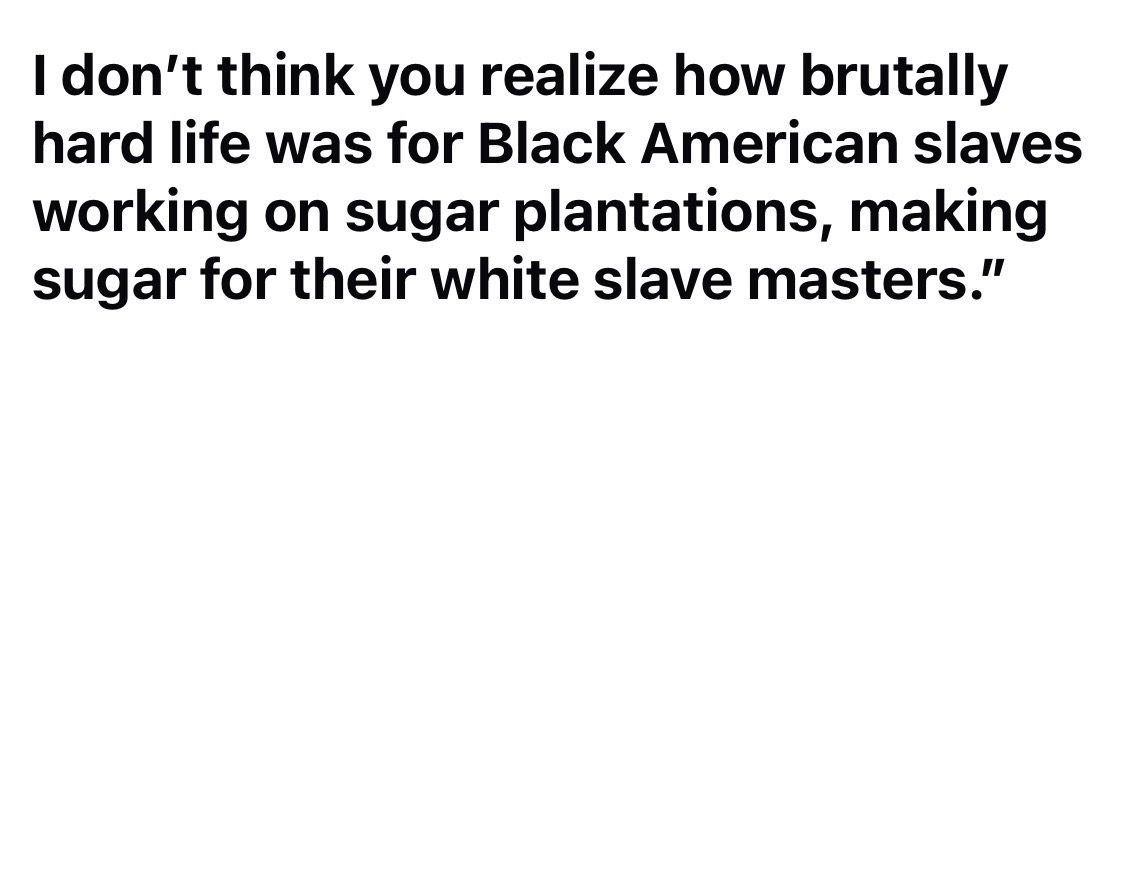
I don’t think you realize how brutally hard life was for Black American slaves working on sugar plantations, making sugar for their slave masters.”
Black Owned Wall Street
Previous Page
1
2
3
Next Page
Archives
Health
.
Fashion
.
Food
.
Shopping
.
Events
.
Fiction
.
Travel
.
Japan
.
Education
.
Loading Comments...
Write a Comment...
Email (Required)
Name (Required)
Website