


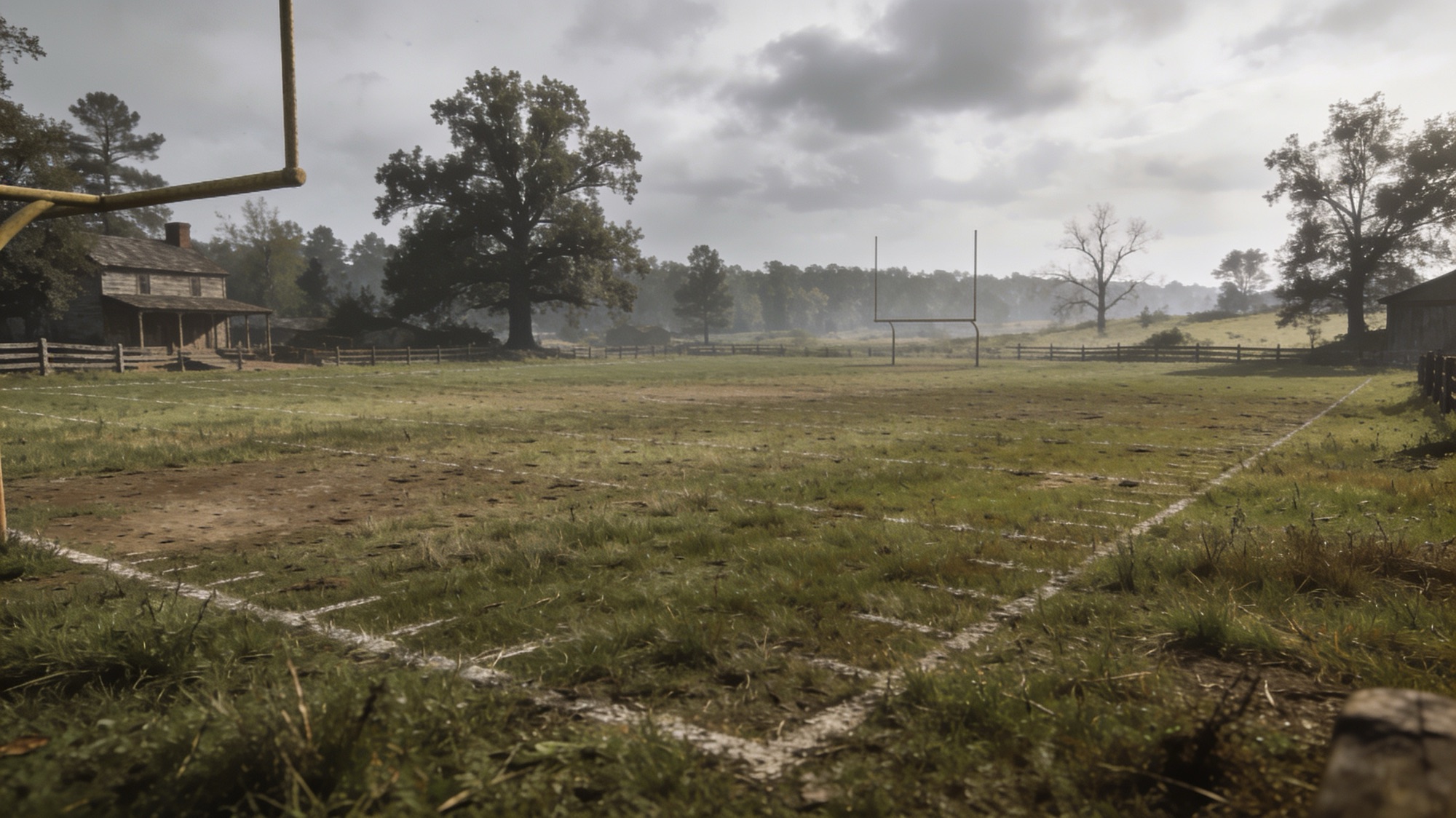
John Brown, the Jayhawks and the Civil War Roots of the Kansas–Missouri Rivalry
The rivalry between the University of Missouri and the University of Kansas is more than a college football tradition. Its roots reach back to one of the most violent periods in American history: the struggle over slavery and whether Kansas would enter the Union as a free or slave state.
At the center of that history was John Brown, the militant abolitionist whose name became closely connected with the anti-slavery struggle in Kansas.
Missouri’s Connection to Slavery
Missouri entered the Union as a slave state in 1821 under the Missouri Compromise. Slavery was deeply established in the state, particularly along the Missouri River and in communities connected economically and geographically to the South.
When Congress created the Kansas Territory in 1854, the question of whether Kansas would become a free or slave state became a major national conflict.
Missouri’s location directly next to Kansas made it an important part of that struggle. Pro-slavery Missourians crossed the border into Kansas to influence elections and attempt to ensure that Kansas would enter the Union as a slave state. These men became known as “Border Ruffians” by their opponents.
John Brown and Bleeding Kansas
John Brown became one of the most famous anti-slavery figures of Bleeding Kansas.
Brown was a militant abolitionist who believed slavery could not simply be defeated through political debate. He and his followers were willing to use armed force against pro-slavery forces.
In 1856, Brown and his sons participated in the Pottawatomie killings, in which five pro-slavery settlers were killed in Kansas. Brown later became internationally famous for his 1859 raid on the federal arsenal at Harpers Ferry, Virginia, an attempt to spark a larger uprising against slavery.
His actions made him both a hero to many abolitionists and a violent extremist in the eyes of his opponents.
How John Brown Became Connected to the Jayhawk
The Jayhawk name came from the violent political struggle in Kansas during the 1850s.
The term was associated with Free-State and anti-slavery forces fighting against pro-slavery groups. Over time, the Jayhawk became a symbol of Kansas and eventually became the mascot of the University of Kansas.
John Brown was not himself the official origin of the Jayhawk mascot, but his story became intertwined with the same Free-State movement and anti-slavery struggle that helped give the Jayhawk its historical meaning.
In other words, John Brown represents the militant anti-slavery side of the conflict, while the Jayhawk became the broader symbol associated with the Free-State cause in Kansas.
That history eventually became part of the identity surrounding the University of Kansas.
From Bleeding Kansas to the Border War
The conflict between pro-slavery Missouri and anti-slavery forces in Kansas eventually became part of the historical foundation of the Kansas–Missouri rivalry.
The University of Missouri was located in a state where slavery was legal, while Kansas became associated with the Free-State movement.
The University of Kansas was established in 1865, shortly after Kansas entered the Union as a free state and as the Civil War was coming to an end.
The two schools later developed a fierce athletic rivalry known as the Border War.
What appears today as a college football rivalry therefore has roots that extend far beyond sports.
It connects to Missouri’s history as a slave state, the struggle over Kansas, the Border Ruffians, John Brown, the Jayhawks and the violence of Bleeding Kansas.
From John Brown to a College Mascot
John Brown never played a football game, attended the University of Kansas or created the Jayhawk mascot.
But his historical connection to the anti-slavery struggle in Kansas helps explain the environment in which the Jayhawk symbol emerged.
The mascot ultimately transformed a violent chapter of Kansas history into a symbol of Kansas identity.
More than a century later, when Kansas and Missouri meet on the football field, the rivalry carries echoes of a conflict that began long before either school had a football team.
The Border War began as a real conflict over the future of slavery in America. The football rivalry came later.

Leave a Reply