


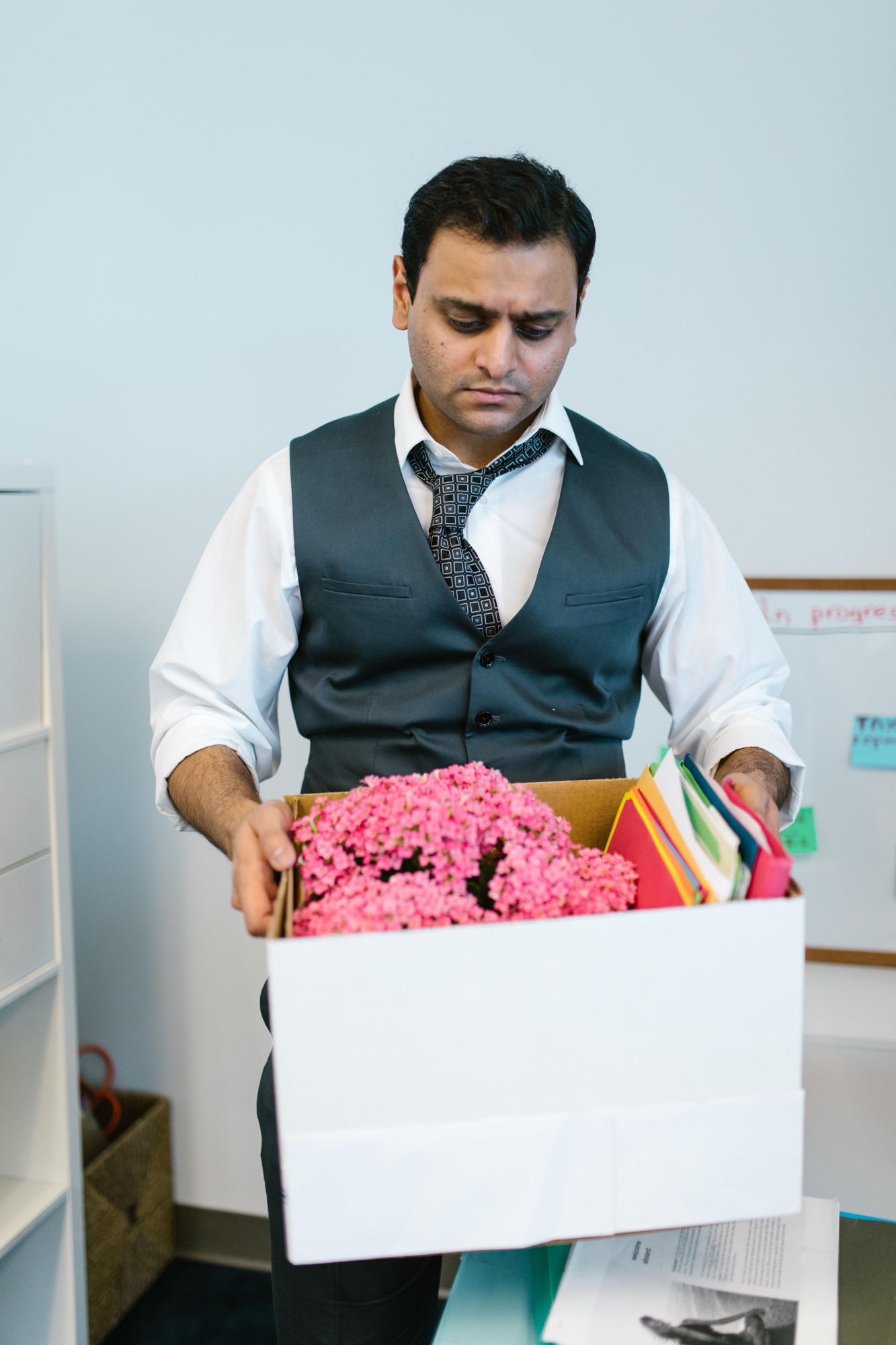
One of the most overlooked sources of sadness for men is being labeled “strong” — because that label often excuses others from checking in on them. Men who are seen as dependable are frequently the ones nobody worries about, even when they’re struggling internally.
This creates a painful cycle: men become the person others vent to, lean on, or call for advice — without anyone reciprocating that care. Over time, this imbalance takes a real toll on mental health. Learning to say no, and seeking support — whether through therapy, trusted friends, or a barbershop conversation — becomes essential.
Men also feel sadness when they’re forgotten or misunderstood, particularly the assumption that being a man is somehow “easy.” Everyday emotional labor — physical tasks, problem-solving, showing up — often goes unacknowledged, and simple gestures of care (checking in, offering a break, showing appreciation) can make a meaningful difference.
Broken promises are another sore point — especially the double standard where a man’s forgotten promises are remembered in detail for years, while a partner’s own broken promises are quickly excused or forgotten.
Finally, there’s a quieter, more resigned kind of sadness: the feeling of giving consistent effort — patience, kindness, love — without it being reciprocated. Over time, this can lead to emotional withdrawal, not because the man doesn’t care, but because he’s stopped expecting anything in return.



Leave a Reply