


Why Inflation Can Be High While Restaurants, Roads, and Air Travel Stay Busy
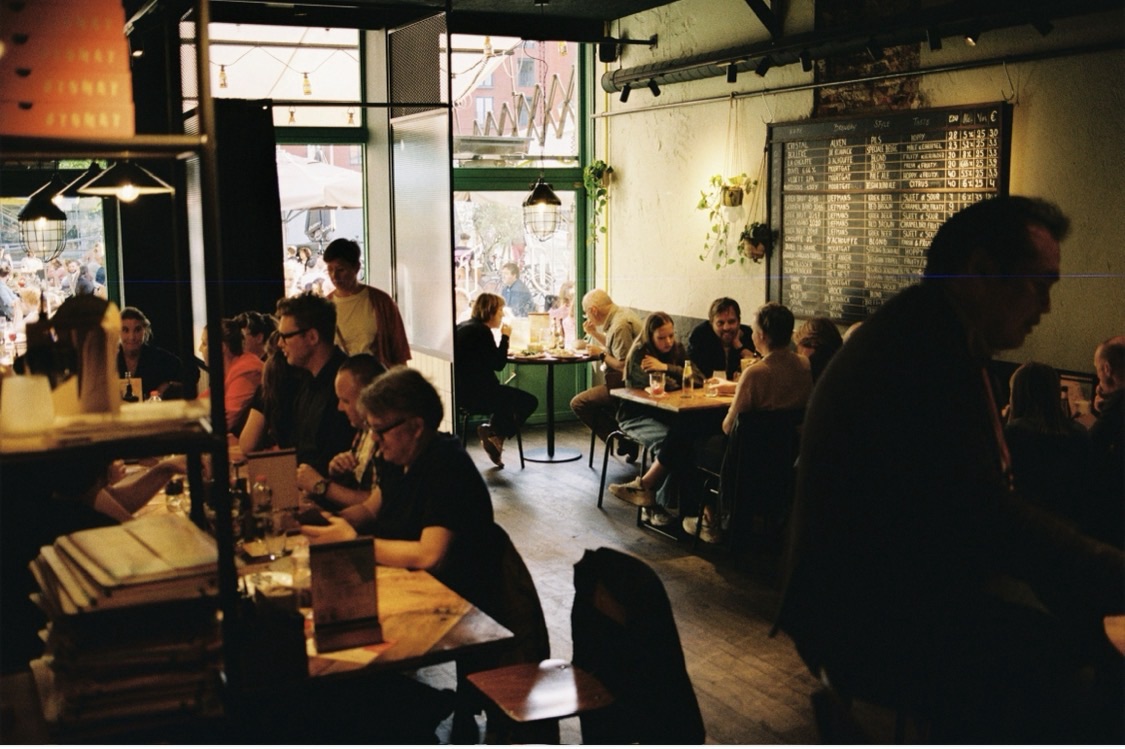
When inflation is rising but highways are packed, restaurants are full, and air travel is increasing, it can feel confusing. Normally, high prices are expected to slow spending—but this situation points to a more complex economy where people are still actively consuming, just in different ways.
- Strong spending doesn’t cancel out inflation
Inflation simply means prices are rising, not that people stop spending. In many cases, inflation can exist because demand is still strong.
So when you see:
Busy highways
Full restaurants
Crowded airports
It usually indicates that overall consumer demand has not collapsed. Instead, people are adjusting what they spend money on.
- People are shifting spending, not stopping it
During inflationary periods, households tend to prioritize differently:
Cutting back on big long-term purchases (homes, cars, appliances)
Continuing to spend on experiences like travel and dining
Choosing fewer but higher-value or meaningful purchases
This creates the appearance of a “busy economy” even while budgets feel tighter. - Experience-based spending is a major trend among younger generations
Millennials and Gen Z especially tend to prioritize experiences over ownership:
Travel over material goods
Dining out over cooking at home
Events and lifestyle activities over long-term assets
This shift is influenced by:
High housing costs
Expensive education and debt burdens
Urban living patterns
A cultural emphasis on flexibility and mobility
So even in inflation, demand for travel and restaurants often stays strong. - The economy can be uneven (“K-shaped” pattern)
What looks like overall strong spending often hides inequality:
Higher-income households continue spending freely
Lower- and middle-income households reduce spending or rely on credit
This creates a “split” economy where:
Airports and restaurants look busy
But financial stress is still rising for many people
Both realities exist at the same time. - Post-pandemic behavior is still influencing demand
Some of the current strength in travel and dining also comes from:
Delayed vacations from earlier years
Catch-up spending after restrictions
A long rebound in social activity
This has kept demand for services unusually high. - What this combination actually indicates
High inflation combined with busy travel and dining usually signals:
The economy is still active, not collapsing
Consumers are prioritizing experiences over goods
Spending power is uneven across income groups
Behavioral shifts (especially among younger generations) are shaping demand
Conclusion
A busy economy during inflation doesn’t mean everyone is doing well—but it does mean people are still spending. The pattern reflects a mix of strong demand, unequal financial pressure, and long-term shifts in how younger generations choose to use their money.
Instead of a simple “strong” or “weak” economy, it points to a divided one—where activity remains high, but the financial experience behind it varies widely.



Leave a Reply