


How Iran Conflict Can Affect Diesel Prices and Eventually Raise Grocery Costs
When global tensions rise involving major oil-producing regions like Iran, the effects can reach far beyond energy markets. One of the clearest connections runs from crude oil prices to diesel, then to transportation costs, and finally to grocery prices consumers see at the store.
- Why Iran matters to global fuel prices
Iran sits near the Strait of Hormuz, one of the world’s most important oil shipping routes. A large share of global oil passes through this narrow waterway.
If conflict escalates or shipping is disrupted:
Oil supplies become uncertain
Traders anticipate shortages
Global crude oil prices rise quickly
Since diesel is refined from crude oil, its price tends to rise alongside it.
- Diesel reacts strongly to oil disruptions
Diesel is especially sensitive to supply shocks because:
It is heavily used in global freight and shipping
Refineries cannot easily or quickly adjust diesel output
Global diesel supply is often tighter than gasoline
As a result, diesel prices can spike faster and sometimes more sharply than regular gasoline during geopolitical events. - Why diesel matters so much for trucking
Diesel is the primary fuel for:
Semi-trucks hauling goods across states
Delivery fleets moving products to stores
Agricultural equipment harvesting crops
Freight trains and cargo transport in many regions
Because of this, diesel is one of the core operating costs in the entire supply chain.
When diesel prices rise:
Trucking companies pay more per mile
Fuel surcharges are added to shipping invoices
Transportation contracts become more expensive
- Higher trucking costs raise food distribution expenses
Food doesn’t move directly from farms to shelves. It passes through multiple stages:
Farm production
Processing and packaging
Warehousing
Long-distance trucking
Local distribution to stores
Each step relies on transportation and logistics. When diesel prices increase, the biggest impact is usually in long-haul trucking and refrigerated transport, both of which are fuel-intensive. - Grocery stores pass costs to consumers
Grocery retailers operate on thin profit margins, so they typically cannot absorb sustained increases in shipping costs.
Instead, they respond by:
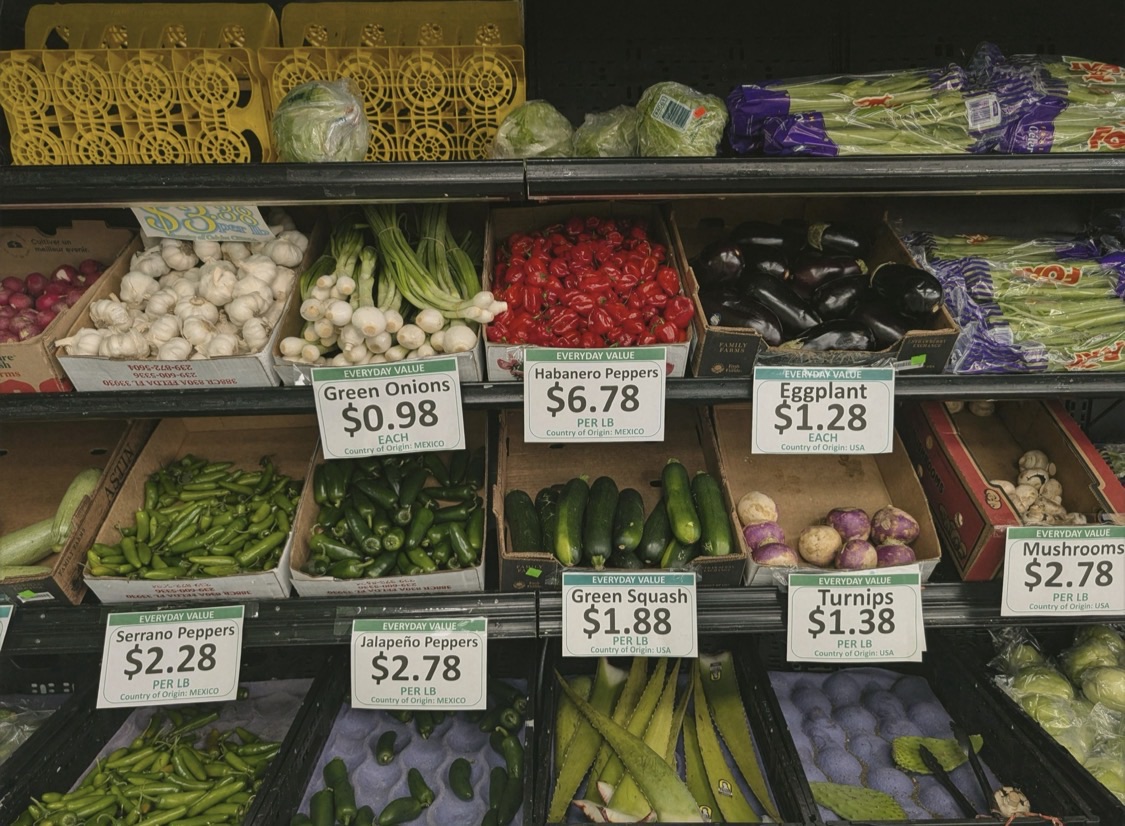
Increasing shelf prices on fresh foods first (meat, dairy, produce)
Reducing promotions or discounts
Adjusting prices gradually over weeks or months
This is why consumers often notice grocery inflation after fuel price spikes—not immediately, but with a delay.
- The full chain reaction
The connection can be summarized simply:
Iran-related conflict → oil supply uncertainty → higher crude prices → higher diesel prices → more expensive trucking → higher food distribution costs → higher grocery prices - Why the impact isn’t equal for all groceries
Not all grocery items are affected the same way:
Fresh and refrigerated goods are most sensitive (require constant transport)
Imported foods are more exposed to fuel costs
Shelf-stable packaged goods are less affected
So fuel shocks tend to hit produce, dairy, and meat first.
Conclusion
While geopolitical events like conflict involving Iran do not directly set grocery prices, they can influence global oil markets. Because diesel is essential to moving food through the supply chain, changes in diesel prices can ripple outward, eventually affecting what consumers pay at the grocery store.
The result is a chain reaction where energy markets and everyday household costs are closely connected—even when the original event feels far away.




Leave a Reply