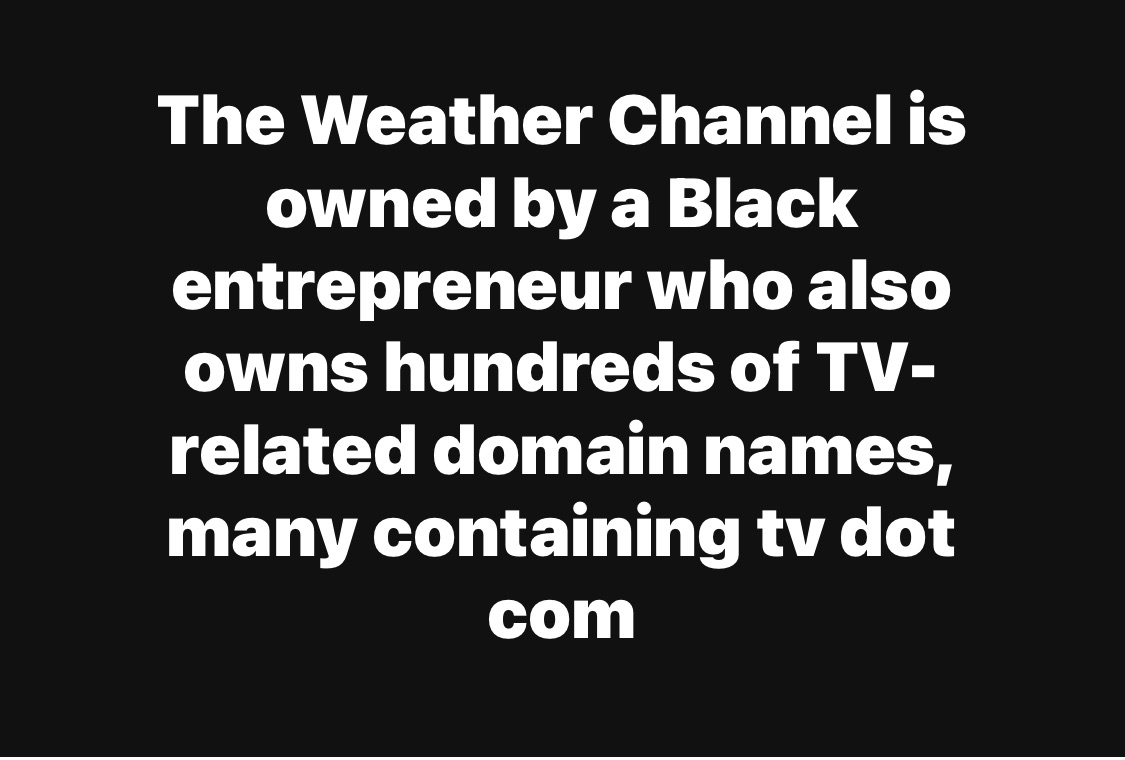
Byron Allen’s Genius Media Empire: How TV Domains Became a Streaming Powerhouse
Byron Allen is one of the most underrated moguls in modern media. While his name might not immediately come to mind like some Silicon Valley or Hollywood figures, his approach to building a media empire reveals a combination of foresight, branding genius, and business acumen.
From Domains to Networks
Allen’s strategy started with something deceptively simple: owning the right digital real estate. Through his company, Entertainment Studios (now part of Allen Media Group), he acquired hundreds of websites with the “.TV” top-level domain that matched clear content niches. Domains like Comedy.TV, Pets.TV, Cars.TV, and JusticeCentral.TVweren’t just clever names — they became 24-hour networks dedicated to those topics.
This approach turned every domain into a self-explanatory brand. A viewer seeing Comedy.TV immediately knows what to expect, while Pets.TV appeals directly to animal lovers. By aligning the domain with actual content, Allen made the websites more than addresses — they became content ecosystems.
Building Free, Ad-Supported Networks
Allen didn’t stop at naming. Each network was free to watch, either via broadcast subchannels or streaming platforms. This ad-supported model, known as AVOD (advertising video on demand), positioned his networks to reach mass audiences without subscription barriers, attracting advertisers eager for large viewership.
By combining niche content with free access, Allen created a formula that balanced viewer growth and advertising revenue, a model that has become increasingly relevant in today’s fragmented streaming landscape.
Expanding Into News, Culture, and Community
Allen’s acquisitions extend beyond entertainment. With platforms like TheGrio.com, a news and culture outlet serving African-American audiences, and HBCUGo.TV, a streaming platform for Historically Black Colleges and Universities, Allen expanded his reach into community-focused content. This move diversified his audience and strengthened his networks’ cultural relevance.
Additionally, acquiring Local Now, The Weather Channel, and various sports networks gave Allen control over both content creation and distribution, a strategic advantage in negotiating with cable providers and streaming services.
The Genius of Integration
What makes Allen’s approach so brilliant is the integration of brand, content, and distribution. He didn’t just buy domains or create TV shows — he built complete ecosystems around identifiable content niches. Each “.TV” domain functions as a brand, a network, and a platform for monetization, all in one.
By doing so, Allen turned seemingly small, niche networks into a cohesive media empire reaching hundreds of millions of viewers across the U.S. and beyond.
Conclusion
Byron Allen’s media empire is a masterclass in foresight and strategy. Starting from a simple idea — owning the right “.TV” domains — he expanded into a diversified network of entertainment, news, sports, and cultural platforms. His genius lies not in flashy acquisitions or headline-grabbing deals but in the meticulous building of an integrated media ecosystem, where every piece supports the whole.
Allen didn’t just buy media; he owned the idea of content verticals online, and in doing so, created one of the most resilient and forward-looking media empires of the 21st century.


Leave a Reply