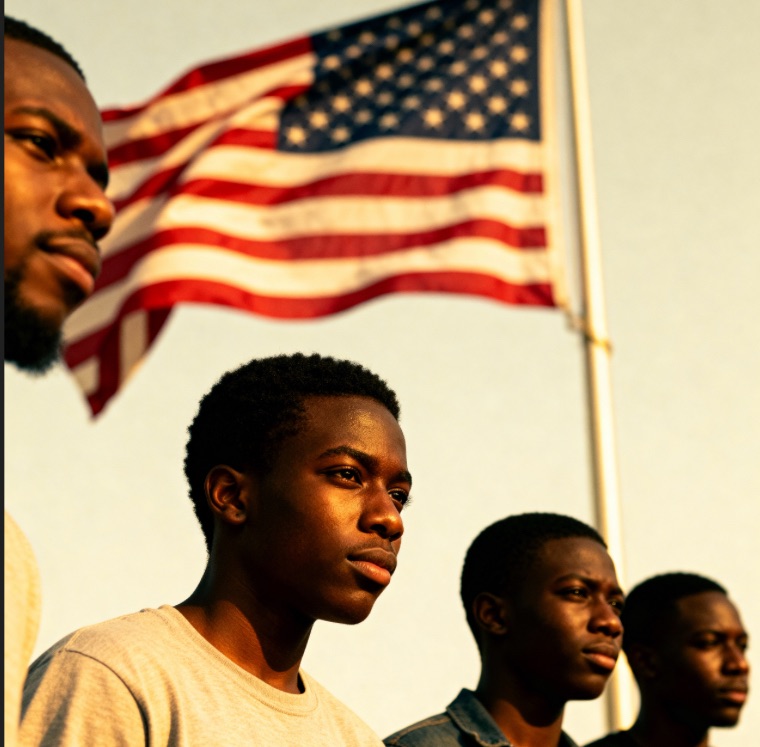
The Racist Controversy Behind the Third Verse of “The Star-Spangled Banner
The third verse of “The Star-Spangled Banner” is widely criticized as racist because it includes language that appears to celebrate the defeat or death of “the hireling and slave,” which many historians interpret as a reference to enslaved Black people who escaped and fought for the British during the War of 1812 in hopes of gaining freedom. At the time, the British actively recruited formerly enslaved people, offering them liberty, and this deeply angered American slaveholders. Francis Scott Key, who wrote the anthem in 1814, was himself a slave owner and later opposed abolitionists, which strongly influences how his words are understood today. Because of this context, many Black Americans and scholars see the third verse as reflecting hostility toward Black people seeking freedom and as reinforcing the racist attitudes of the era. Although some historians argue the language was a general insult toward enemy forces rather than a direct racial attack, the combination of the wording, historical events, and Key’s personal beliefs makes the verse offensive to many people. This is why the third verse is almost never sung and why the national anthem remains controversial in discussions about race and American history.
Leave a Reply