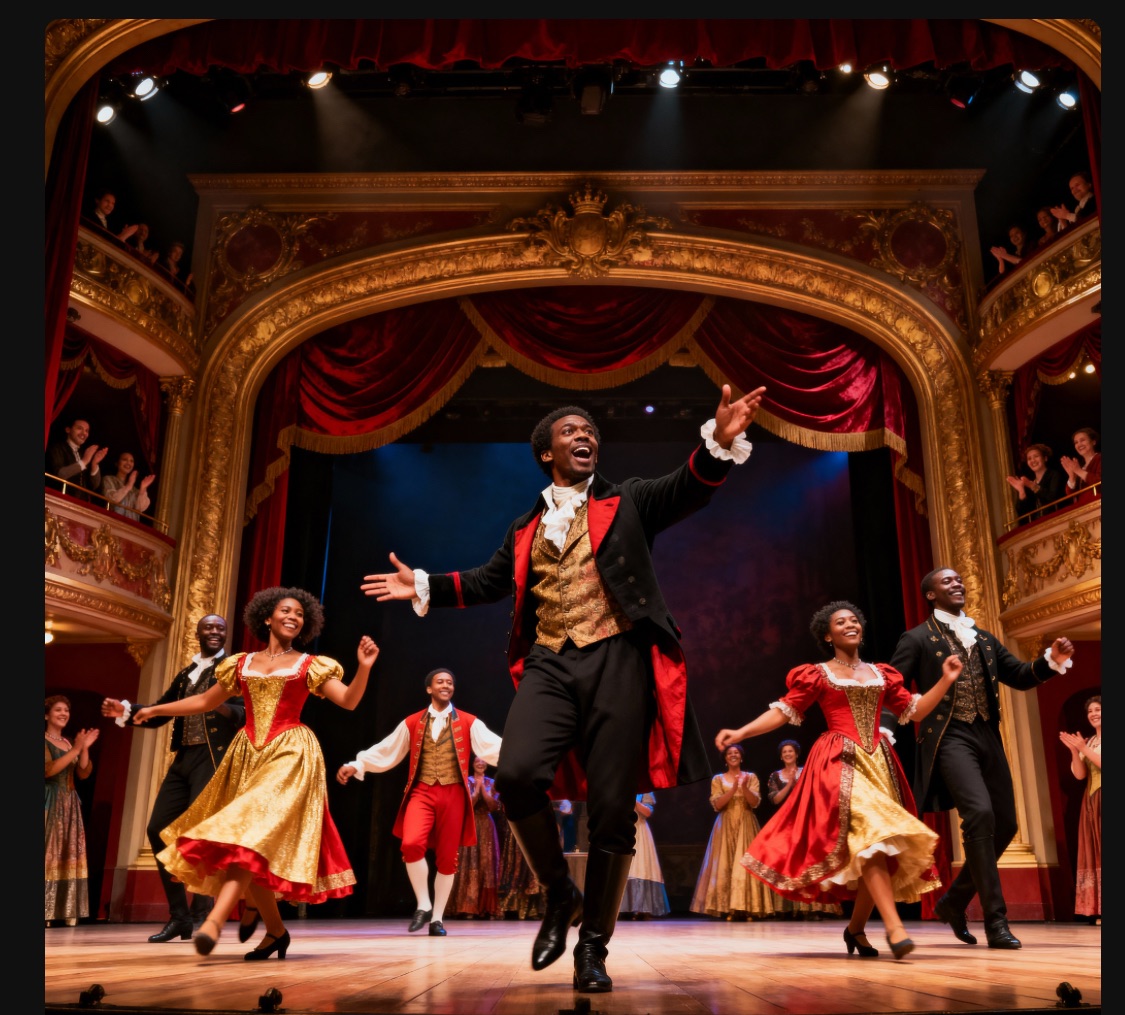
There’s a narrative out there that Black British actors are more classically trained than Black American actors, and that’s why they’re getting more roles. But when you actually look, it’s clear that’s not true. Directors often push the idea that these actors are cast for global appeal—but most haven’t had major success overseas. The argument falls apart.
Another myth: that Black British actors are more classically trained. That’s false. Black American actors like Angela Bassett, Chadwick Boseman, Anthony Mackie, Mahershala Ali, and Viola Davis are classically trained too. Then comes the claim that British actors have better American accents. Again, not true. Just speaking English or mimicking a Black American accent doesn’t mean you’re authentic. Regional differences in the US—Southern, Midwest, East Coast, upstate—make it obvious when someone is imitating versus living that reality.
Watching British actors attempt these roles is often awkward. Accents, slang, rhythm, cadence—there’s a vibe and a sauce that can’t be faked. You can hear when it’s imitation. Auditioning in a foreign accent to get a role? That’s a barrier Black Americans don’t have to face in their own culture. And reading Shakespeare or other classics doesn’t automatically make someone a great actor—you still have to connect with the camera and audience.
Shows like Black Panther and Snowfall illustrate this. Viewers notice when something feels off. The actor might be talented, but mimicking a Black American character isn’t the same as living it.
Erasure is also a big issue. Black Americans need our own studios and opportunities. Take Mayor of Kingstown: Bunny plays a Black American drug dealer but he’s from London; the secretary playing a Black American sister is also British. These choices erase authentic Black American voices. Later, they introduce a Trinidadian actor from London as his adversary—again, missing the cultural nuance. Many of these actors can’t even get meaningful roles at home.
This isn’t just about talent—it’s about opportunity. British actors often accept any US role to break into the market. Lupita Nyong’o talked about taking slave roles to get her foot in the door. Black Americans fought for representation here, yet some British actors benefit from that work without the struggle.
I respect actors like Ashley from Top Boy who use their own voice and accent—authenticity matters. But calling British actors “superior” or “more talented” than Americans is misleading. They’re talented in their accents and theater, just like Black Americans are in theirs. Using dog whistles like “articulate Blacks” to justify casting? That’s a problem.
And some casting choices are outright wrong. First-feature roles and original movies that should go to Black Americans are given to British actors. Selma cast a British actor in a Black American lead role. Similarly, Cynthia Erivo being given her first featured role playing Harriet Tubman was wrong—it should have been a Black American actress.
In short: Black British actors are talented, but they are not more classically trained or better at playing Black Americans than Black American actors. The system, not skill, explains why they get these roles—and it’s time to call that out.


Leave a Reply