


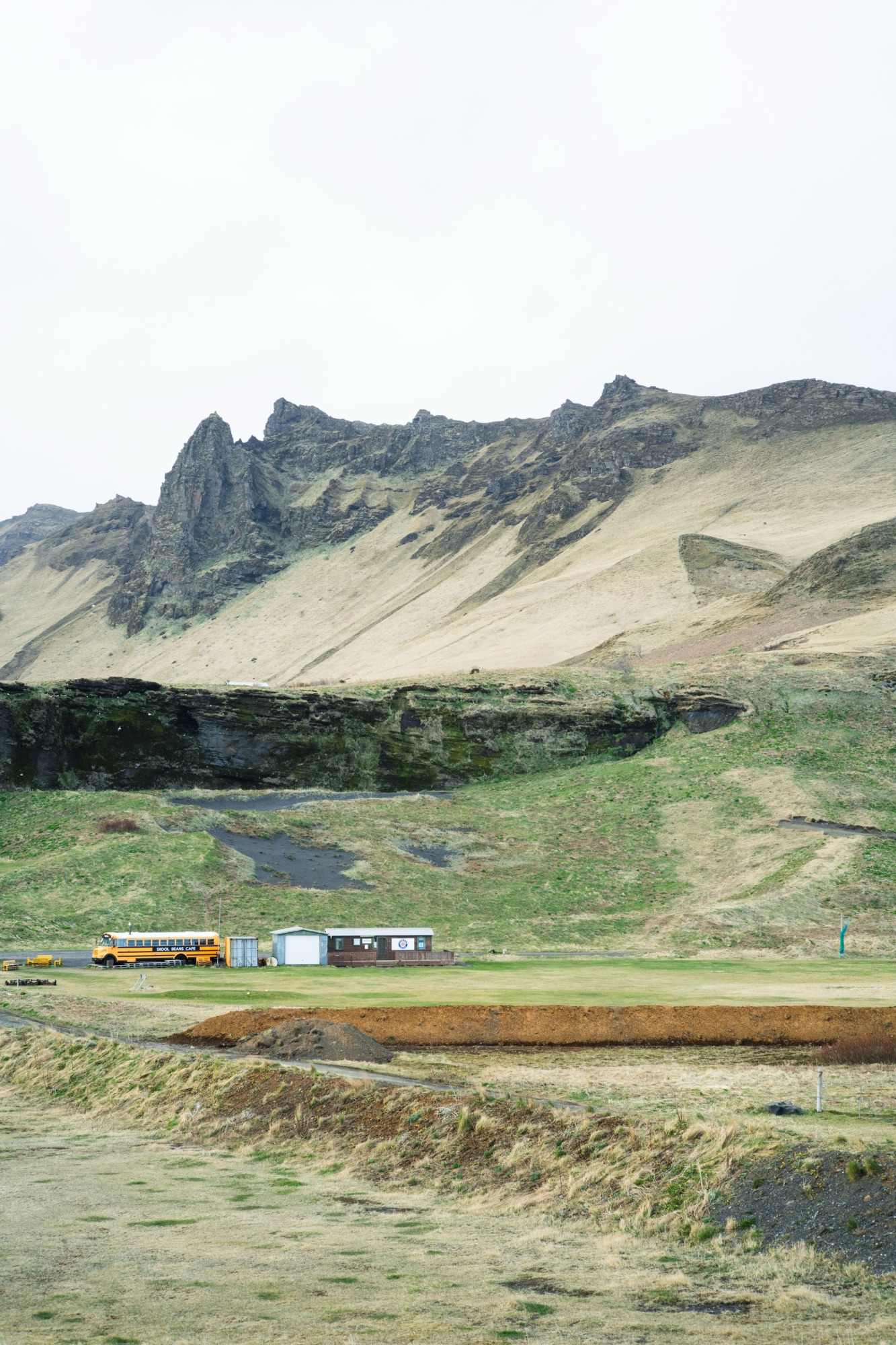
Iceland’s school system is often praised not because it’s perfect, but because it emphasizes equity, student well-being, and trust in teachers. Here are some of the biggest differences from the U.S.:
- Less emphasis on standardized testing
In Iceland:
Students take very few standardized tests.
Teachers assess students through projects, classwork, and ongoing evaluation.
Schools spend less time “teaching to the test.”
In the U.S.:
Standardized testing plays a much larger role in many states.
Test results can influence school funding, ratings, and accountability. - Teachers have more autonomy
Icelandic teachers generally have greater freedom to:
Design lessons.
Choose teaching methods.
Adapt instruction to students’ needs.
This reflects a high level of trust in the teaching profession. - Strong focus on student well-being
Schools place significant emphasis on:
Mental health.
Social and emotional development.
Building positive relationships.
Preventing bullying.
Academic success is seen as important, but not the only goal. - More equal funding
Because Iceland has a relatively small population (about 400,000 people), its education system is more centralized than the U.S.’s. Schools tend to have more consistent funding and fewer disparities between wealthy and low-income communities.
By contrast, many U.S. public schools rely heavily on local property taxes, which can lead to large funding differences. - Shorter school days for younger children
Young students often have:
Shorter instructional days.
More recess and outdoor time.
More play-based learning in the early years.
Research suggests that play and physical activity can support cognitive and social development. - Smaller class sizes
Many Icelandic schools have relatively small classes, allowing teachers to give students more individual attention. However, class sizes vary by school and region. - Strong vocational pathways
Students who don’t want a traditional university route have respected options in vocational education, making it easier to prepare for skilled careers without stigma. - Education is free
Public education is free through upper secondary school, and higher education at public institutions is also either free or has only modest registration fees compared with many U.S. colleges.
Is Iceland’s system “better”?
It depends on the measure.
Strengths:
High student well-being.
Less academic pressure.
Greater educational equity.
High trust in teachers.
Strong work-life balance.
Challenges:
Small, remote communities can make staffing difficult.
Student performance in subjects like mathematics has fluctuated over time.
Iceland, like many countries, faces teacher shortages and works to improve outcomes in literacy and numeracy.
Why it’s easier to implement
Some features are easier for Iceland because:
The country has a much smaller population than the U.S.
There is less regional variation.
Education policies are more consistent nationwide.
There is broad public support for investment in education and social services.
The U.S. educates more than 50 million public school students across thousands of districts, making nationwide reforms more complex.
Overall, the biggest philosophical difference is that Iceland tends to treat education as a public service centered on child development and equity, while the U.S. system places greater emphasis on local control, standardized accountability, and competition among schools.



Leave a Reply